3D Printing Foundations in Dentistry
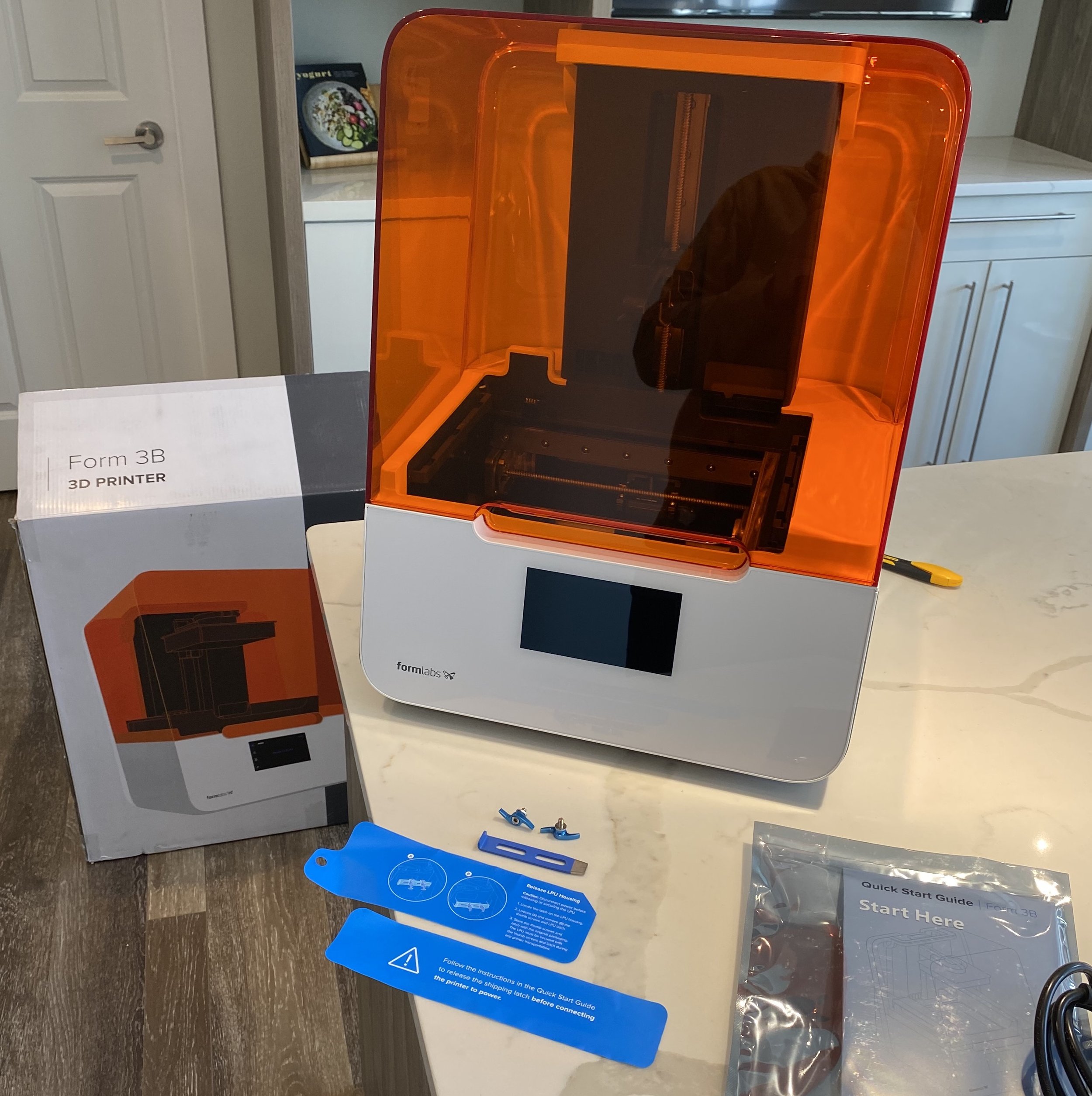
In recent years, the rapid advancement of technology has significantly transformed the landscape of dentistry, and one standout innovation is 3D printing. This groundbreaking technology has revolutionized how dental professionals approach diagnostics, treatment planning, and the fabrication of various dental prosthetics. As the potential of 3D printers in dentistry continues to grow, it's crucial to navigate this realm with informed decisions. Here, we delve into some key considerations for integrating 3D printers into your dental practice.
1. Precision and Accuracy - One of the most significant advantages of 3D printing is its ability to produce highly accurate and precise dental models, crowns, bridges, dentures, and even orthodontic devices. When selecting a 3D printer, prioritize models with fine resolution capabilities that can capture intricate details necessary for precise fits and optimal patient outcomes.
2. Materials Variety - Different dental applications require specific materials, each with its own set of properties. Ensure your chosen 3D printer supports a diverse range of biocompatible materials, including those suitable for crowns, bridges, surgical guides, and more. This flexibility allows you to tailor your treatment plans to the unique needs of each patient. In many cases, the printer must be “biological” approved to use biocompatible materials.
3. Ease of Use and Workflow Integration - Seamless integration into your existing workflow is vital - I can’t emphasize this enough. Opt for a 3D printer with user-friendly software that streamlines the design and printing process. Compatibility with various software platforms can facilitate data transfer and enhance collaboration between your team members.
4. Printing Speed and Volume - Consider the speed at which your chosen 3D printer can produce dental prosthetics, especially in cases where quick turnaround times are essential. Additionally, assess the printer's build volume to ensure it can accommodate various sizes of dental models or appliances you may need to produce.
5. Support and Training - While Youtube can only take you so far. You and your staff should decide on the onboarding and educationla process (some will have local reps that provide training vs. learning from videos on the internet). Adequate training and ongoing technical support are crucial for harnessing the full potential of your 3D printer. However, look for manufacturers that offer comprehensive training programs, educational resources, and readily accessible customer support to address any issues that may arise.
6. Regulatory Compliance - Dental practices must adhere to stringent regulatory guidelines, especially when it comes to producing medical devices. Choose a 3D printer that complies with industry standards and regulations to ensure patient safety and legal compliance.
7. Return on Investment (ROI) - While the upfront cost of a 3D printer can be significant, it's essential to evaluate the potential long-term benefits and ROI it can bring to your practice. Factor in reduced laboratory costs, enhanced patient satisfaction, and improved treatment outcomes when assessing the overall financial impact.
However, the most significant benefit I've experienced is in terms of time – time that would have otherwise been dedicated to gathering records, like initial impression appointments employing alginate materials. This includes the time patients need to set aside in their schedules for extra appointments. It also accounts for the time staff would spend on pouring and refining models (which is now spent crafting in-house appliances such as retainers and sport guards). And, stay tuned, because night guards are the next topic on the horizon!
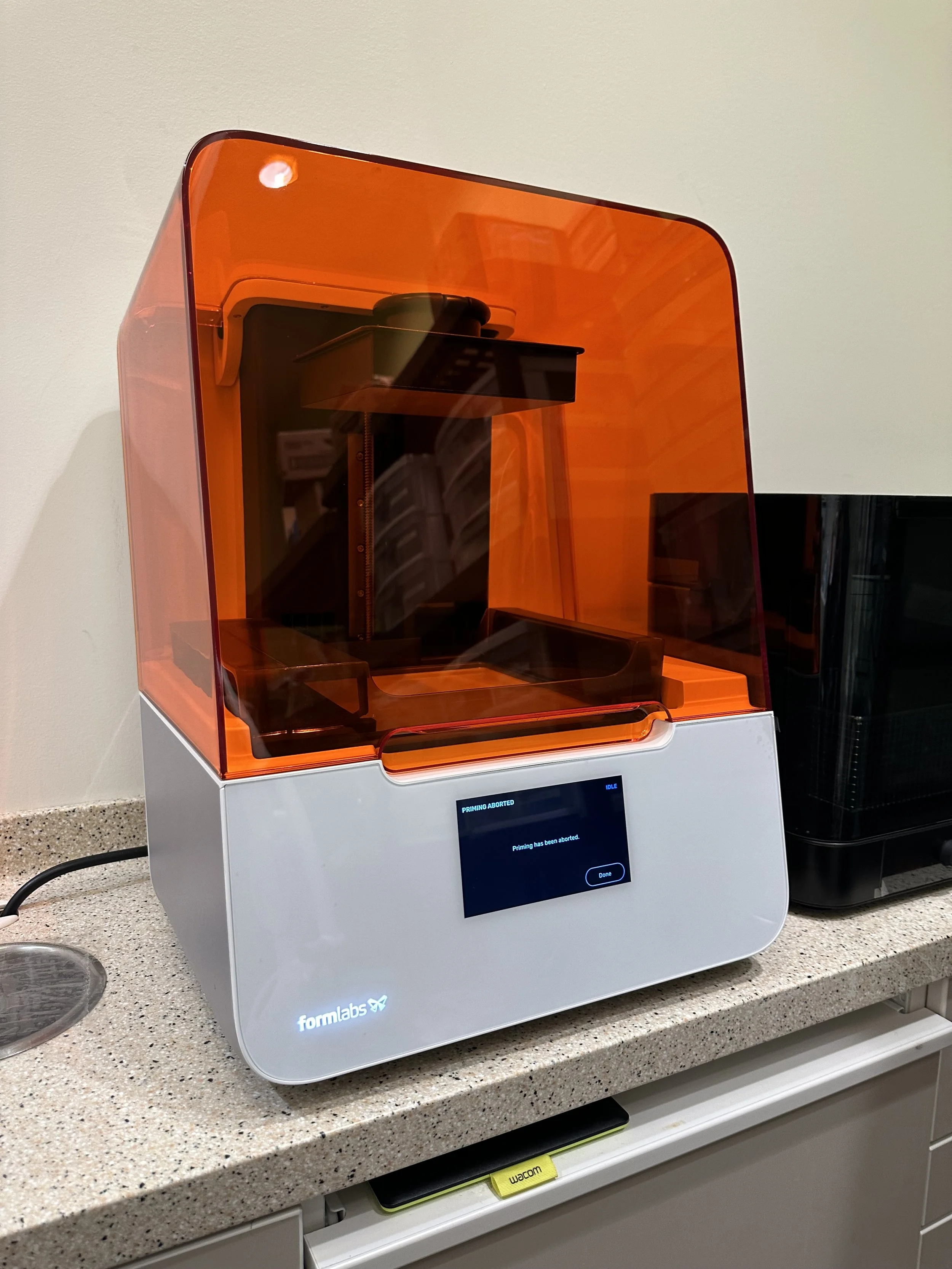
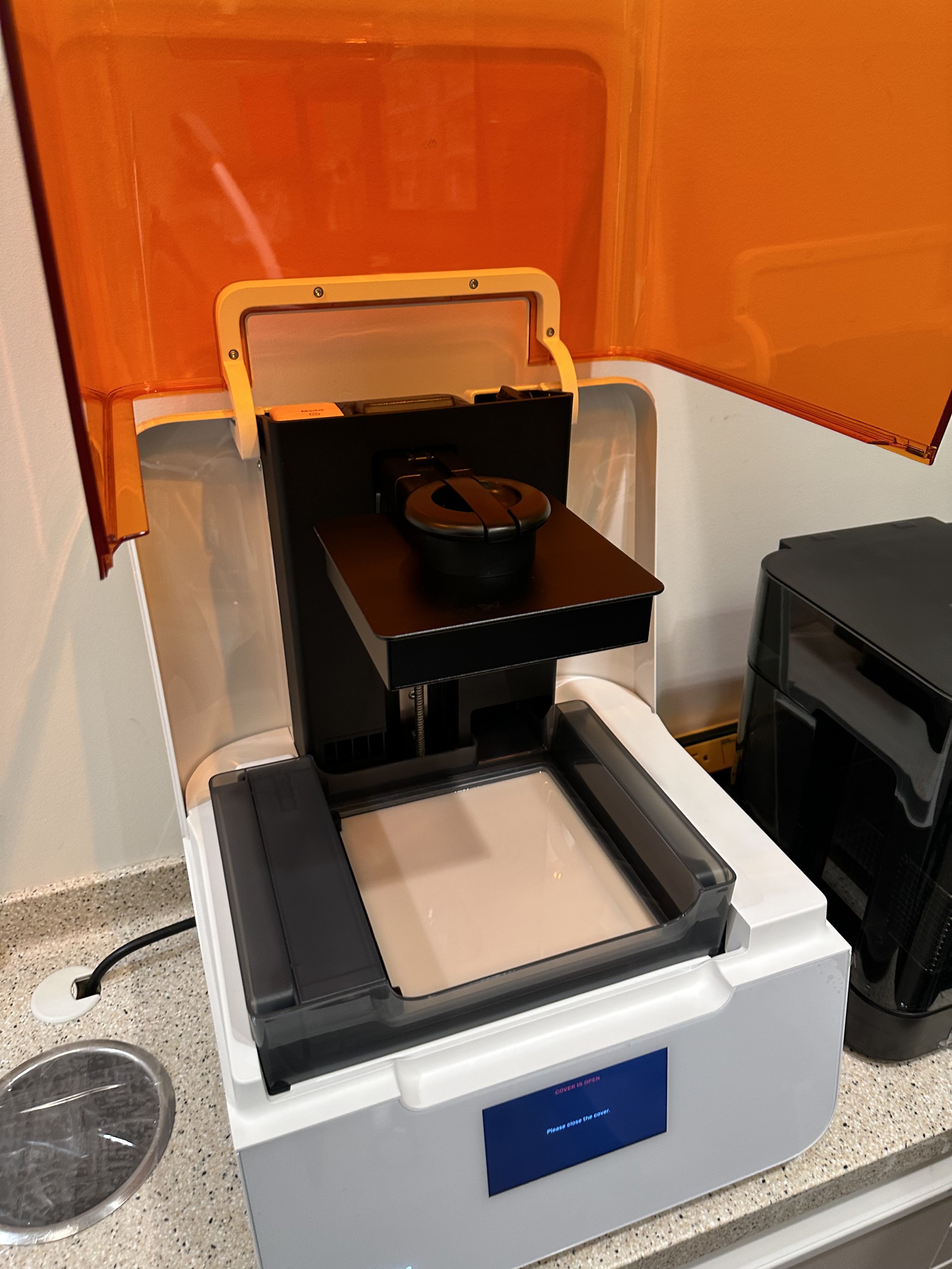
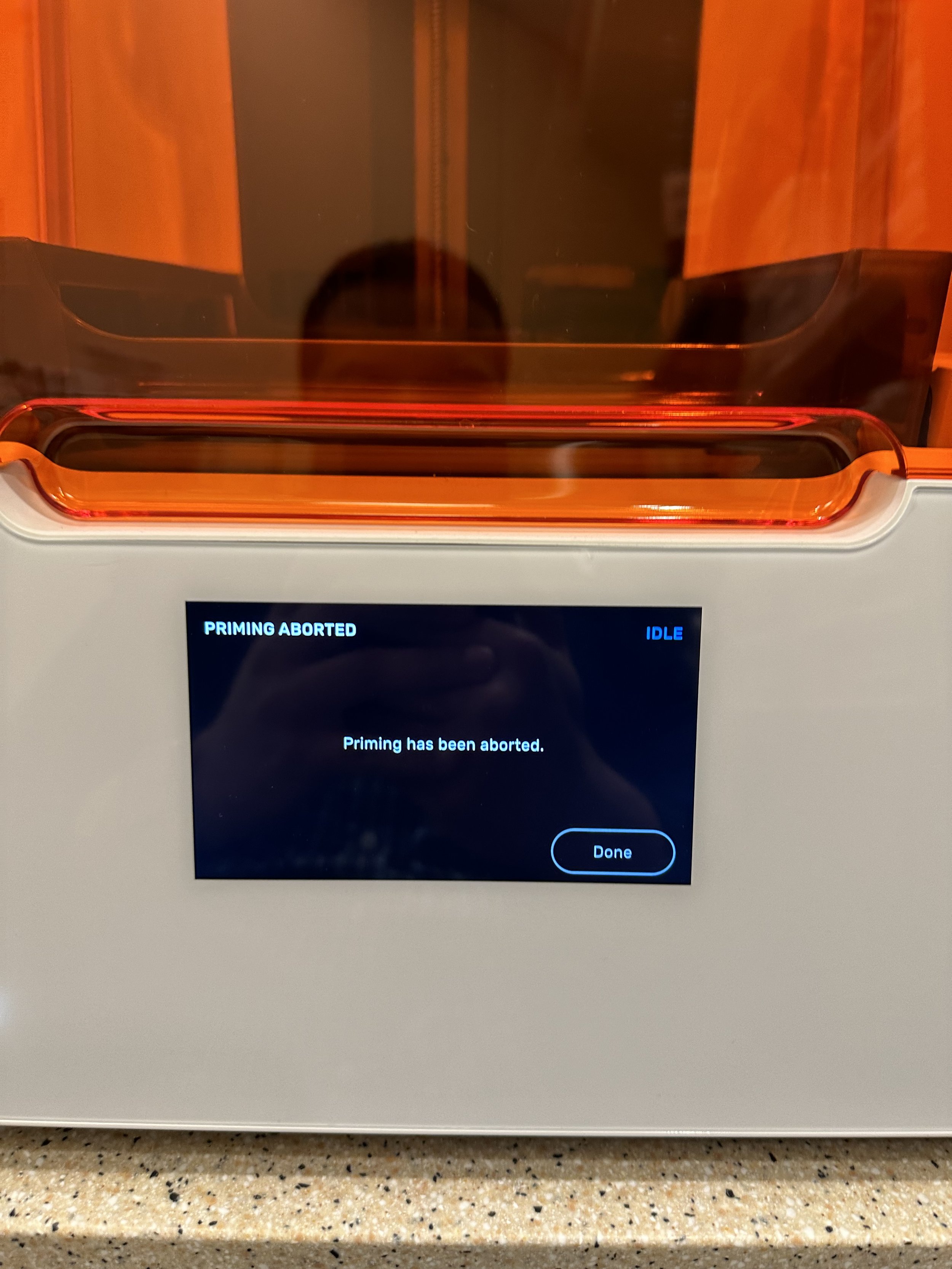
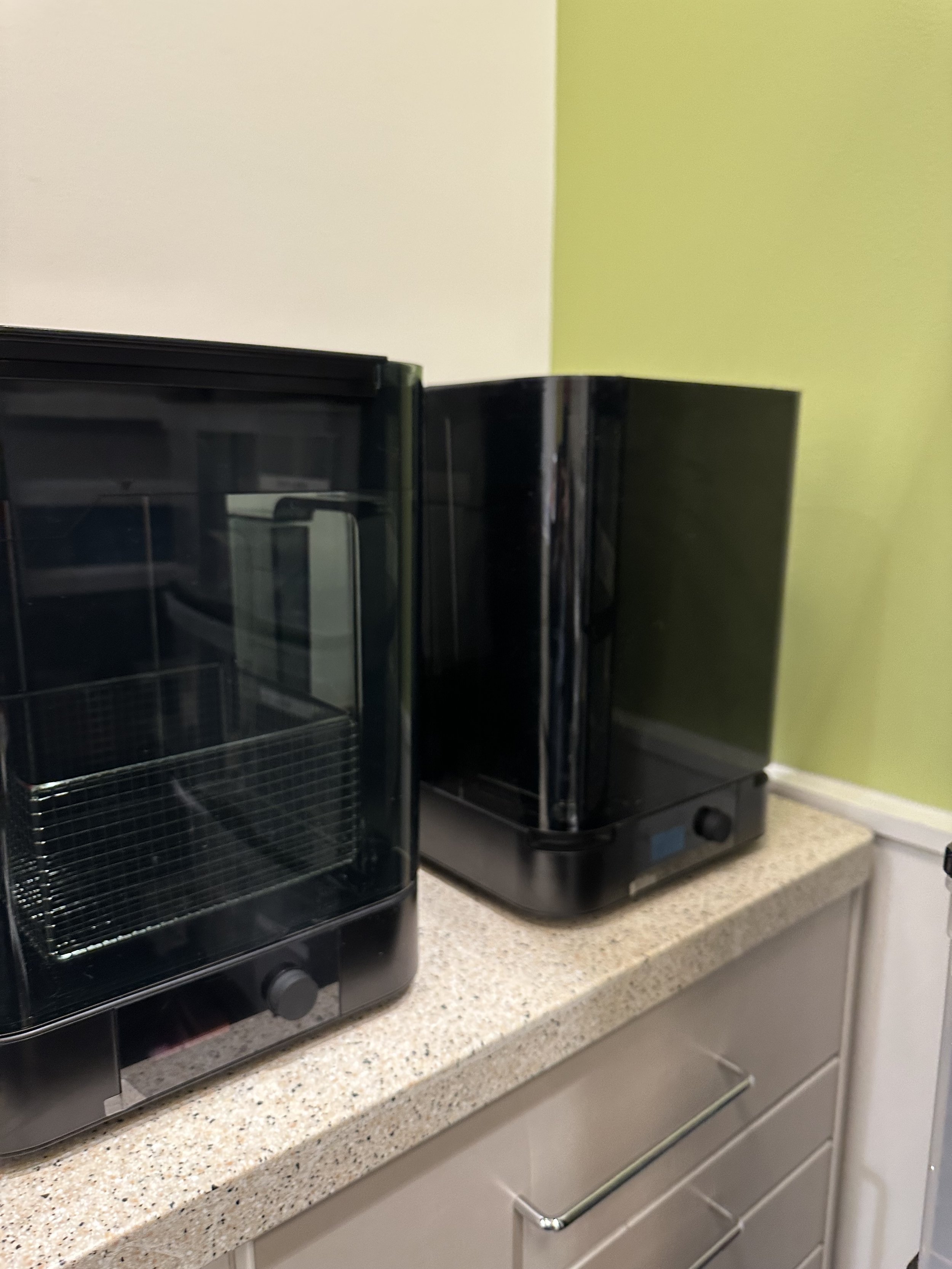
As the field of dentistry continues to evolve, embracing technological advancements like 3D printing can elevate the quality of care you provide to your patients. By carefully considering the factors outlined above, you can make an informed decision when selecting a 3D printer that aligns with your practice's goals and patient needs. Embrace the future of dentistry and position yourself at the forefront of this exciting transformation.
Questions? Here are some common questions that I get:
-
Well, you probably already guessed by the photos… for me the logical choice was Formlabs for a number of reasons. The first was the cost to invest (I really didn’t know whether this would work for us when I got it about a year or so ago). The second was advice, some of my friends who had several 3D printers said that the staff enjoyed using the Formlabs software (Preview). The third was on-line resources which Formlabs has plenty of.
-
What I found was that if you go with more inexpensive systems, then there was challenging software issues. With more expensive systems, I found that there was better in-person support but unit repair would be more costly. The most expensive 3D printer for in-clinic, althought very simple to operate, had more mechanical parts to go wrong and services costs may be higher.
-
I bought my 3D Printer from Shop 3D ( they are Canadian). Contact me and let me know and I can share with you how to save $600 from them (reach out to me on Instagram @drosmananwar).
I recommend getting a quote from your dental supplier and from Shop 3D, also enquire about material costs (resin, tanks, etc).
If you have any questions, the best place to reach out to me is @drosmananwar on Instagram.